

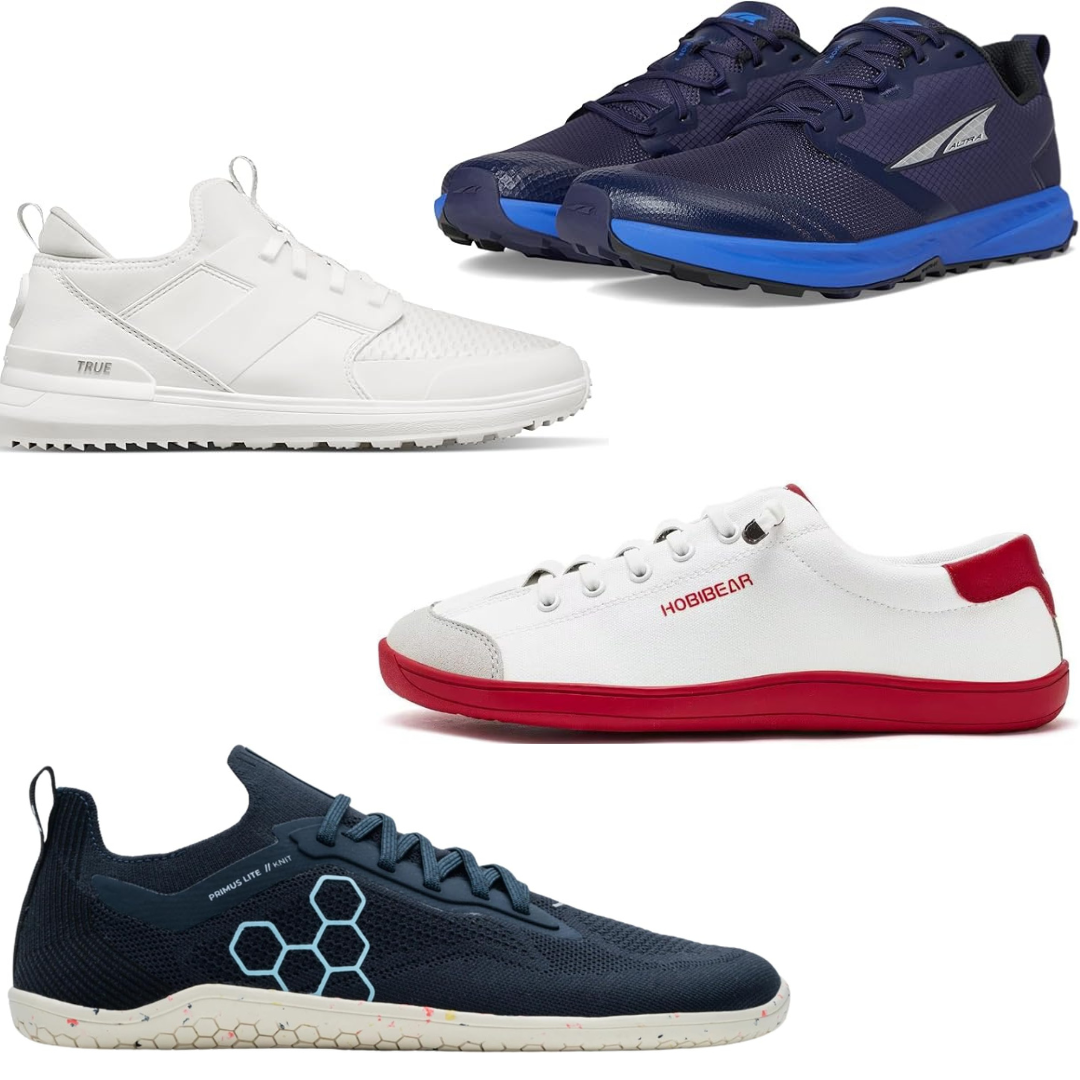
What footwear is the number one question I get asked in my Energy Medicine Clinic and online with my Plantar Fasciitis Rehabilitation Programme.
It makes perfect sense, we are all active every day and with plantar fasciitis reminding you every time you stand up or walk it’s no wonder.
I used to answer that question with "it depends on what you are doing"
Which it does, hence this guide for different activities.
However its important to note a few essential points
- Firstly its important to walk and stand with bare feet as much as possible with or without plantar fasciitis, this will allow for natural movement and your foot to work with the muscles in the right order and not supported.
- Secondly, you have plantar fasciitis and you need to establish a baseline for how bad it is and a few stands and steps with bare feet will do that. It will be uncomfortable but it’s the only way to track progress and improve and repair the damaged fascia. More on self-assessment Here.
- Finally, it’s essential to buy a new pair of shoes so you can adjust how you stand and walk from a fresh start. Old and worn shoes will promote old movement patterns, its important to note all orthotics even custom made ones do not promote this. Custom made orthotics are focused on barefoot and perfect flat floor.
The first step in my recovery program is transitioning to functional footwear. Bare Feet where possible at home, but proper footwear is essential to help support your healing from plantar fasciitis.
So in answering the question which footwear do you recommend?
I have put together a approved style of footwear for different activities and stages of plantar fasciitis recovery. I do recommend different brands and as with all footwear some will suit or work better for your individual case.
Importantly !
Functional footwear means shoes that support the natural shape and movement of your feet. They typically have:
• A wide toe box (so your toes can spread and splay)
• Zero drop (flat from heel-to-toe with no elevated heel)
• A flexible sole (to encourage natural movement)
All of these shoes are designed to support your recovery from the ground up.
What Makes A Shoe Plantar Fasciitis-Friendly and able to support your recovery?
Below, you will find key shoe terms and design features that you should know to help you better understand what makes a healthy shoe to help plantar fasciitis.
Widest at the toe: A healthy shoe should have a wide toe box that supports the natural shape of our feet and toes. The toe box should be wide enough to allow for normal toe splay.
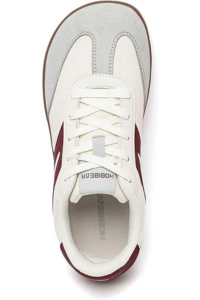
Widest at the toe: A healthy shoe should have a wide toe box that supports the natural shape of our feet and toes. The toe box should be wide enough to allow for normal toe splay.
Shoes now rarely come in wide fitting and sizing is varied due to global discrepancies
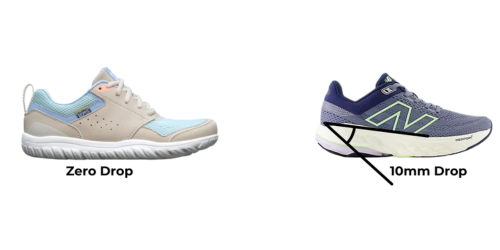
Zero Drop: Drop refers to the height difference between the heel and the forefoot. A shoe with zero drop is flat from heel to toe with no elevation of the heel.
Elevation of the heel in footwear creates excessive stress on the forefoot, and a chronic shortening of our heel cord, our calf muscle and Achilles tendon.
Toe Spring: Toe spring is an upward angle of the toe of the shoe and should be avoided. A flat sole is ideal for proper foot function.
You will find a slight amount of toe spring in a "transitional" shoes. As your feet become stronger, I recommend a shoe with no toe spring.
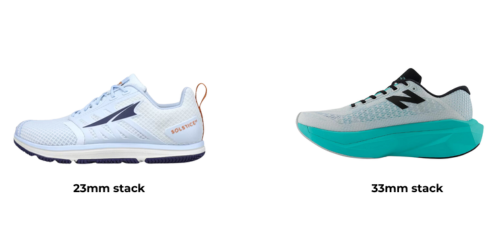
Stack Height: This refers to the total amount of material or cushioning on the sole of the shoe. I am not opposed to a higher stack height in the earlier phase of plantar fasciitis if you do lots of static standing, but encourage less cushioning as your feet become stronger.
I do not recommend a stack height of over 30mm. A higher stack height can impair balance and proprioception. I only recommend this 30mm max for roles that require extended standing like in a shop, factory or healthcare.
Excessive cushioning can also disrupt natural foot mechanics and dampen the foot’s ability to engage stabilising muscles which can delay the recovery from plantar fasciitis.
This sounds counterintuitive as if you can cushion an area it will be less painful.
A high stack height alters your standing foot position, so body load is moved to your toes and ball of feet. You may be thinking that is a good thing as it takes pressure off the painful area.
However if you think of your foot as a wheelbarrow with the wheel as the ball of your foot. The barrow as your ankle supporting your body weight and the handles your achilles tendon.
Now think of the supports to the barrow at the back as the heel and mid foot of your foot.
When you stand in bare feet it’s the same as a wheel barrow on the ground, when you alter the stack height in shoes it like putting supports underneath the barrow, you need to lift it to achieve this. This puts load or force on the handles which you can only hold for a short time.
Linking to your foot in this example your increased stack height puts massive stress on the Achilles tendon which is used for balance rather than your foot. This makes your plantar fasciitis much worse and causes more damage!
This is why I recommend going bare foot as much as possible to prevent this. Our environment is not suited for barefoot walking as the sand and soil has been replaced with hard surfaces. I recommend using a Barefoot Shoe.
Minimalist Shoe/Barefoot Shoe: These shoes are intended to closely approximate barefoot running or walking.
They provide "minimal" interference with the natural movement of the foot. They have minimal stack height, have a highly flexible sole, and are zero drop.
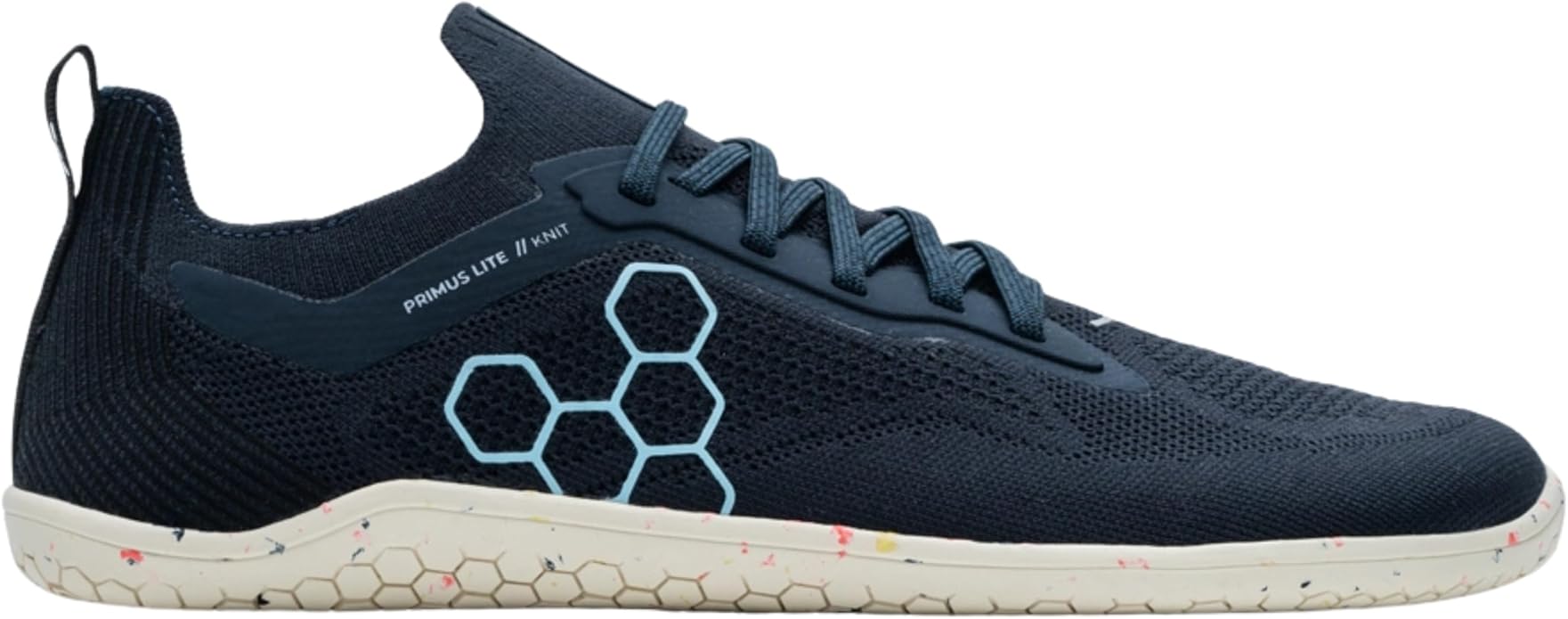
Minimalist Shoe/Barefoot Shoe: These shoes are intended to closely approximate barefoot running or walking.
They provide "minimal" interference with the natural movement of the foot. They have minimal stack height, have a highly flexible sole, and are zero drop.
If you have had cushioned high stack shoes or used orthotics and insoles either custom made or off the shelf a Transitional Shoe maybe a better starting point.
A Transitional Shoe is a shoe that has all of the characteristics of a barefoot shoe such as zero drop and a wide toe box, but has a thicker sole/higher stack height.
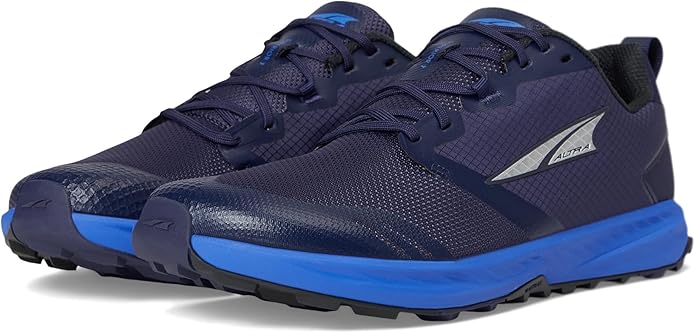
I typically recommend a transitional shoe first before you transition completely to a barefoot shoe. As you progress in my Plantar Fasciitis Rehabilitation, I encourage a transition to lower stack height or minimalist footwear.
How To Transition To Functional Footwear
Transitioning to functional footwear should include a slow, gradual approach. Most of you have been wearing footwear with narrow toe boxes and elevation of the heel, Soft cushioned shoes like sketchers with memory foam inserts.
Our feet and lower legs can become sore and tight from activating weakened foot muscles, and stretching short calf muscles.
Our gait and foot position is also changed (for the good), and our body will need to adjust and adapt.
Start slowly and wear your new shoes for only 15-20 minutes at a time. Slowly increase wear-time each week.
What is Micro-Dosing?
The best way to transition to functional footwear or barefoot shoes is with micro-dosing.
Micro-dosing is essentially taking small steps towards adapting to footwear with less stack height and zero drop.
After a couple of months of wearing "transitional" shoes, I recommend you begin to introduce your feet to minimalist footwear.
Our feet will accept this new concept more readily if you have been focusing on strengthening your feet and calf muscles with my recommended exercises.
Your feet will begin to strengthen internally and will no longer need extra supports such as built-in arch supports, foot orthotics or extra padded shoes.
Also, walking barefoot in a progressive time frame is also important to begin to train your foot core and help your feet to adapt to functioning without support.
Avoid Doing Too Much Too Soon
How do you know if you have done too much too soon? Your body will tell you!
Your Plantar Fasciitis symptoms may increase, your foot and legs may begin to cramp, you may experience soreness in your hips and lower back.
Decrease your wear-time until you experience relief of your symptoms.
Its extremely important to note that changing your footwear will help your plantar fasciitis, but it needs to be in conjunction with a Plantar Fasciitis Rehabilitation Programme.
You must alter how you stand, walk and move in general to cure plantar fasciitis, the shoes help the process as a aid, altering how you stand and walk and training your foot will cure your plantar fasciitis.
Will you book a 1:1 Treatment and Assessment of your Plantar Fasciitis at the Clinic HERE
Best Footwear for Plantar Fasciitis
Transition Shoes:
Altra Mens Click Here
Altra Womens Click Here
Barefoot Shoes:
Whitin Click Here
Hobibear Click Here
Vivobarefoot Click Here
Merrell Click Here
 Best Golf Shoes
True Linkswear Click Here
The Above Links are Part of a Affiliate Programme